
How to Successfully Shop for Quality Seafood and Fish

Craving a delicious seafood dinner but unsure of where to find quality fish and seafood? Look no further! In this article, we will teach you the secrets on how to successfully shop for the freshest and most succulent seafood and fish. So buckle up and get ready to dive into the wonderful world of seafood shopping!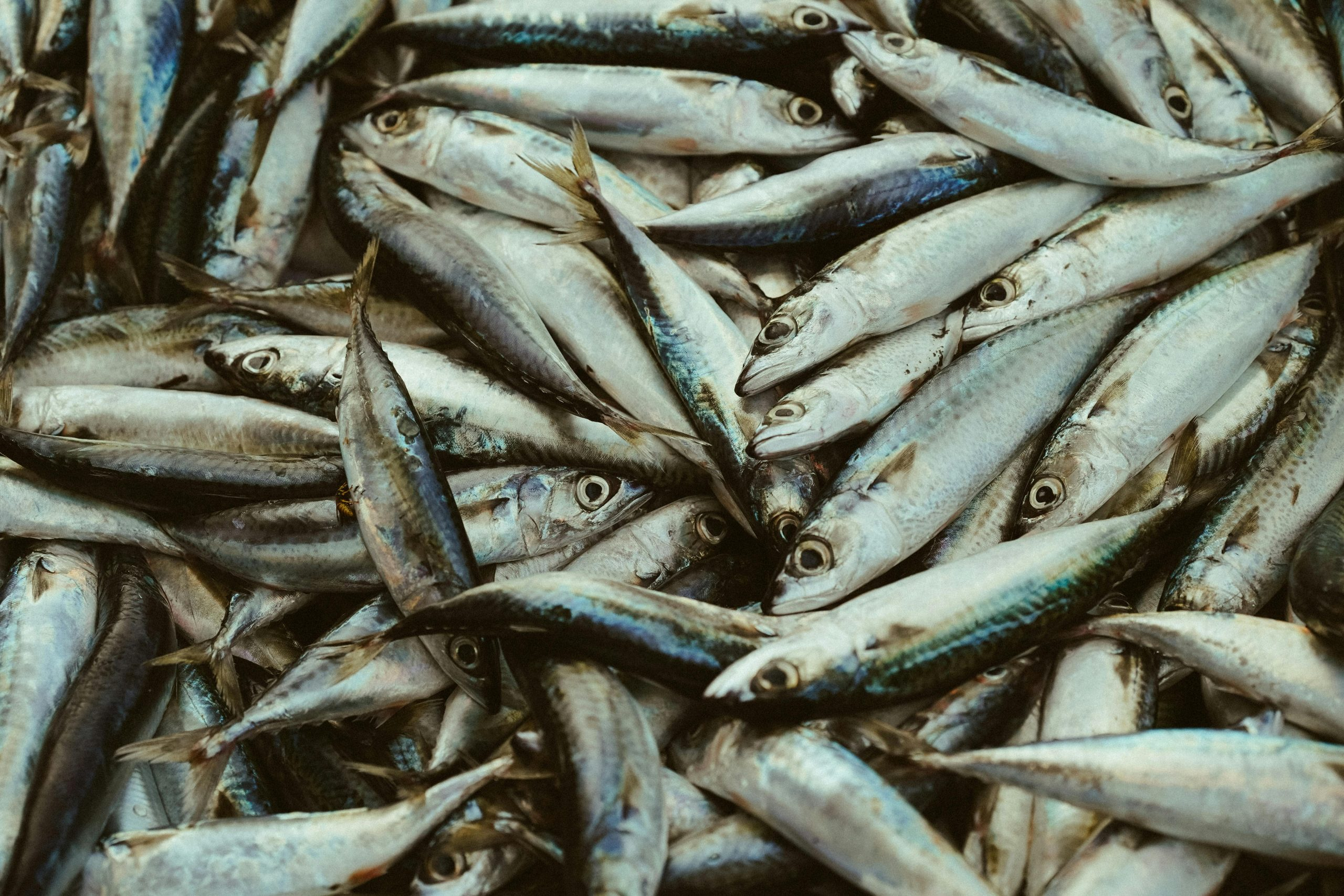
Know Your Local Seafood Seasons
Sourcing seafood during its peak season not only ensures its freshness but also its affordability. Different types of fish and seafood have varying peak seasons, so it’s crucial to know which ones are in season in your local area. This information can easily be found online or by talking to your local fishmonger. Shopping for seafood during its peak season guarantees top-quality and cost-efficient purchases.
Choose a Trusted Seafood Supplier
The key to purchasing quality seafood and fish is to have a trusted supplier. Find a reputable seafood shop or market that is known for selling fresh and sustainable seafood. You can also ask for recommendations from friends and family or do some research online for the best suppliers in your area. A trusted supplier will not only provide you with fresh seafood but will also guide you in your seafood choices and offer tips on how to cook and store your purchases.
Check for Freshness Indicators
When shopping for seafood, pay close attention to the signs of freshness. For whole fish, the eyes should be clear and bulging, the gills should be bright red or pink, and the flesh should be firm and springy to touch. For shellfish, make sure they are tightly closed and have a sweet ocean smell. Avoid any fish or shellfish with a strong fishy odor, slimy texture, or sunken eyes. These are clear indicators of poor quality and should be avoided.
Buy Local and Sustainable Seafood
Supporting local fishermen and their sustainable practices is not only beneficial for the environment but also for your taste buds. Locally sourced seafood is typically fresher as it doesn’t have to travel long distances, and sustainable fishing methods ensure the longevity of our oceans and marine life. Look for labels or ask your supplier for information on sourcing and fishing methods.
Variety is Key
If you’re new to seafood or unfamiliar with certain types, don’t be afraid to mix it up and try something new. There is a vast array of delicious and sustainable seafood and fish available, and each type has its unique flavor and nutritional benefits. Experimenting with different types of seafood can open up a whole new world of culinary experiences and broaden your palate!
Tips for Storing Seafood
Once you’ve successfully purchased your quality seafood, proper storage is crucial to maintain its freshness. Keep your seafood in the coldest part of your fridge and preferably on top of a bowl of ice. Whole fish should be used within two days, while shellfish should be consumed within one day. If you’re not planning to consume your seafood right away, it can be frozen. Make sure to follow proper freezing and thawing methods to maintain its flavor and texture.
Plan Your Meals Ahead
To avoid any waste, plan your meals ahead and only buy the amount of seafood you need. If possible, purchase seafood on the day you plan to use it to ensure maximum freshness. Unused portions can also be frozen for later use.
Cooking Techniques for Seafood
Finally, knowing how to properly cook your seafood will guarantee its deliciousness. Depending on the type of seafood, different cooking methods are recommended. Some seafood, such as shellfish, is best served raw or lightly cooked, while others, like salmon, can be baked, grilled, or pan-fried. Research the best cooking techniques for the seafood you purchased or ask your supplier for recommendations.
With these tips and tricks, you can now confidently shop for quality seafood and fish. Remember to always choose seasonal, sustainable, and local options, and pay attention to freshness indicators. Happy seafood shopping and bon appétit!