
The Role of Lighting in Making Your Kitchen Functional and Appealing

When it comes to designing a kitchen, many homeowners focus on the layout, appliances, and decorative elements. While these aspects are certainly important, there is one element that often goes overlooked – lighting. Yes, lighting. It may not be the first thing that comes to mind when thinking about a kitchen, but lighting plays a crucial role in making your kitchen both functional and appealing. In this article, we will delve into the different ways lighting can transform your kitchen and why it is an essential aspect to consider in your kitchen design.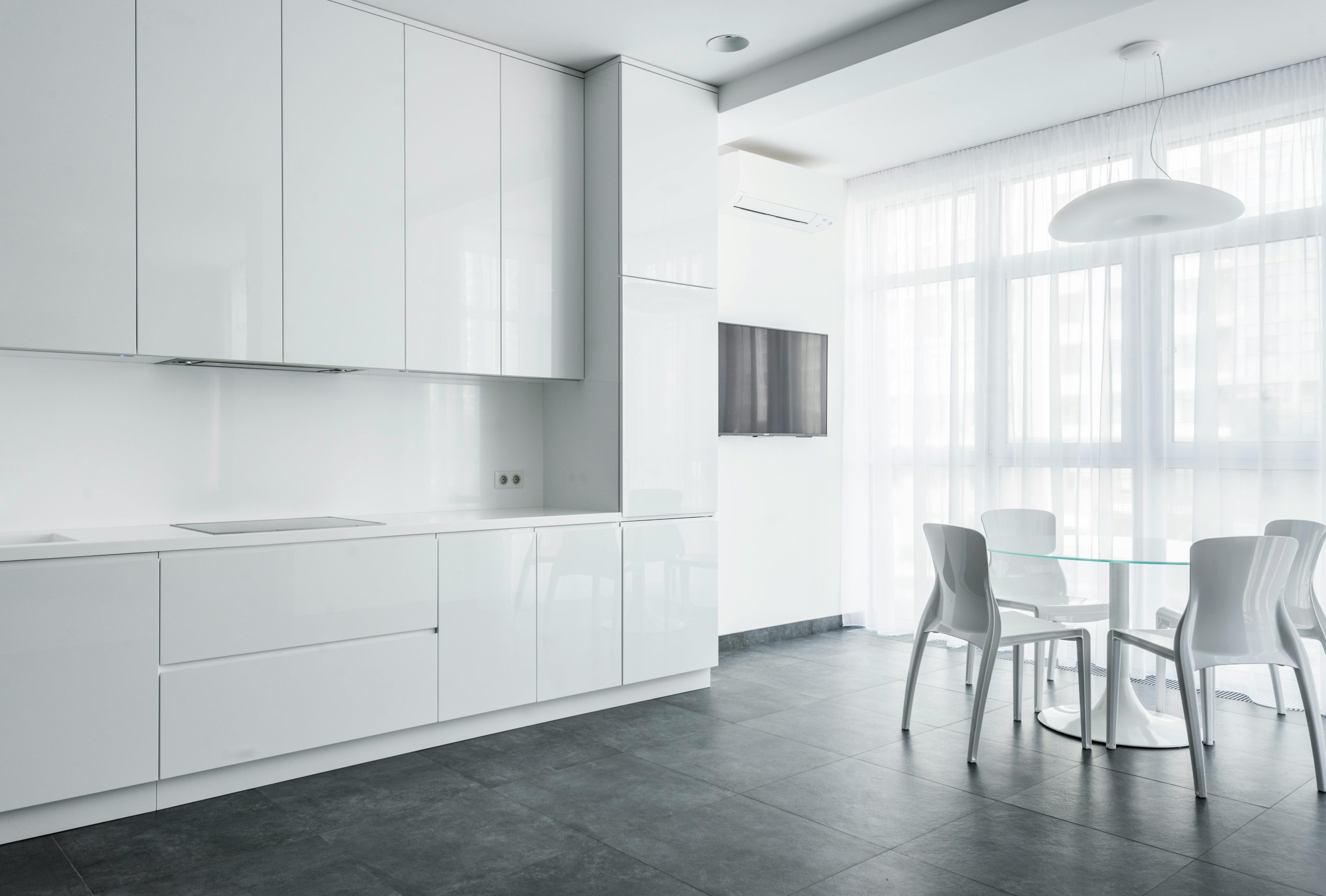
The Importance of Proper Lighting in Your Kitchen
Lighting is an often underestimated element in kitchen design, but it can make a significant impact on its overall functionality and appearance. A well-lit kitchen not only makes it easier to navigate and perform various tasks but also adds to the aesthetics of the space. Let’s explore how lighting can enhance your kitchen in different ways.
Increase Visibility and Safety
The primary function of lighting is to provide visibility, especially in a functional space like the kitchen. Having adequate lighting in the kitchen makes it easier to see and navigate while cooking and preparing meals. It also makes tasks such as reading a recipe or chopping vegetables less straining on the eyes.
In addition to functionality, lighting also plays a crucial role in ensuring safety in the kitchen. Improper lighting or dark spots can increase the risk of accidents, especially when working with sharp tools or hot appliances. By ensuring proper lighting, you are creating a safer environment for yourself and your family.
Create a Welcoming and Inviting Atmosphere
Aside from its functional purpose, lighting can also set the tone and atmosphere of your kitchen. With the right lighting, you can create a warm and inviting space that is perfect for entertaining guests or spending quality time with your family. On the other hand, harsh or inadequate lighting can make your kitchen feel cold and uninviting.
Some popular lighting options for creating a welcoming atmosphere in the kitchen include pendant lights above the kitchen island, under cabinet lighting, and dimmable recessed lights. These lighting fixtures not only add to the aesthetics of the space but also provide the right amount of light for specific tasks, such as food preparation or dining.
Highlighting Your Kitchen’s Design Features
In addition to creating a welcoming atmosphere, lighting also has the power to highlight and accentuate your kitchen’s design features. For instance, if you have a beautiful backsplash or unique cabinets, proper lighting can draw attention and make these elements stand out. On the other hand, inadequate lighting can make these design features go unnoticed.
One effective way to showcase your kitchen’s design features is by incorporating task lighting, such as under cabinet or accent lighting. These fixtures provide both functionality and aesthetics, making your kitchen look more impressive and well put together.
Considerations for Choosing the Right Lighting
Now that we know the importance of proper lighting in the kitchen, let’s explore some essential factors to consider when choosing the right lighting for your space.
Taking Natural Lighting into Account
Before installing any artificial lighting, it is crucial to take advantage of natural lighting in your kitchen. Natural light can make a significant impact on the overall ambiance of your space while also saving energy. Consider installing windows or skylights to let in more natural light or position your kitchen workspace near a window to take advantage of natural light during the day.
Layering Your Lighting
When it comes to lighting, layering is key. By incorporating different types of lighting in your kitchen, you can create a balance between functionality and aesthetics. Layering lighting involves combining different types of lighting that serve different purposes, such as ambient, task, and accent lighting.
Ambient lighting provides general illumination to the entire space, while task lighting is more focused and used for specific tasks, such as cooking or food preparation. Accent lighting, on the other hand, serves the purpose of highlighting specific features or areas in your kitchen.
Choosing the Right Fixture Style
The type of lighting fixture you choose can also make a significant impact on the overall appearance of your kitchen. While pendant lights are popular for providing task lighting and making a statement, they may not be suitable for every kitchen. Consider the style of your kitchen and what type of lighting fixture will complement it best. For instance, recessed lighting is perfect for a modern or minimalist kitchen, while chandeliers are more suitable for a traditional or elegant kitchen.
Conclusion
In conclusion, when it comes to kitchen design, lighting should not be an afterthought. The right lighting has the power to transform your kitchen, making it more functional and inviting. By incorporating different types of lighting and considering essential factors, such as natural lighting and fixture styles, you can create a beautiful and practical space that you and your family will love. So don’t overlook the role of lighting in your kitchen – it can make all the difference.