Mastering the Skill of Mindful Breathing for Anxiety

Welcome to the world of mindful breathing – a powerful skill that can help ease anxiety, reduce stress, and bring a sense of calm and peace into your life. In today’s fast-paced and often chaotic world, it’s easy to feel overwhelmed and anxious, constantly bombarded with distractions and pressure. That’s where mindful breathing comes in – a simple, yet effective technique that can help you take control of your mind, body, and emotions. In this article, we’ll dive into the art of mastering mindful breathing for anxiety and explore how it can help you find inner peace and tranquility.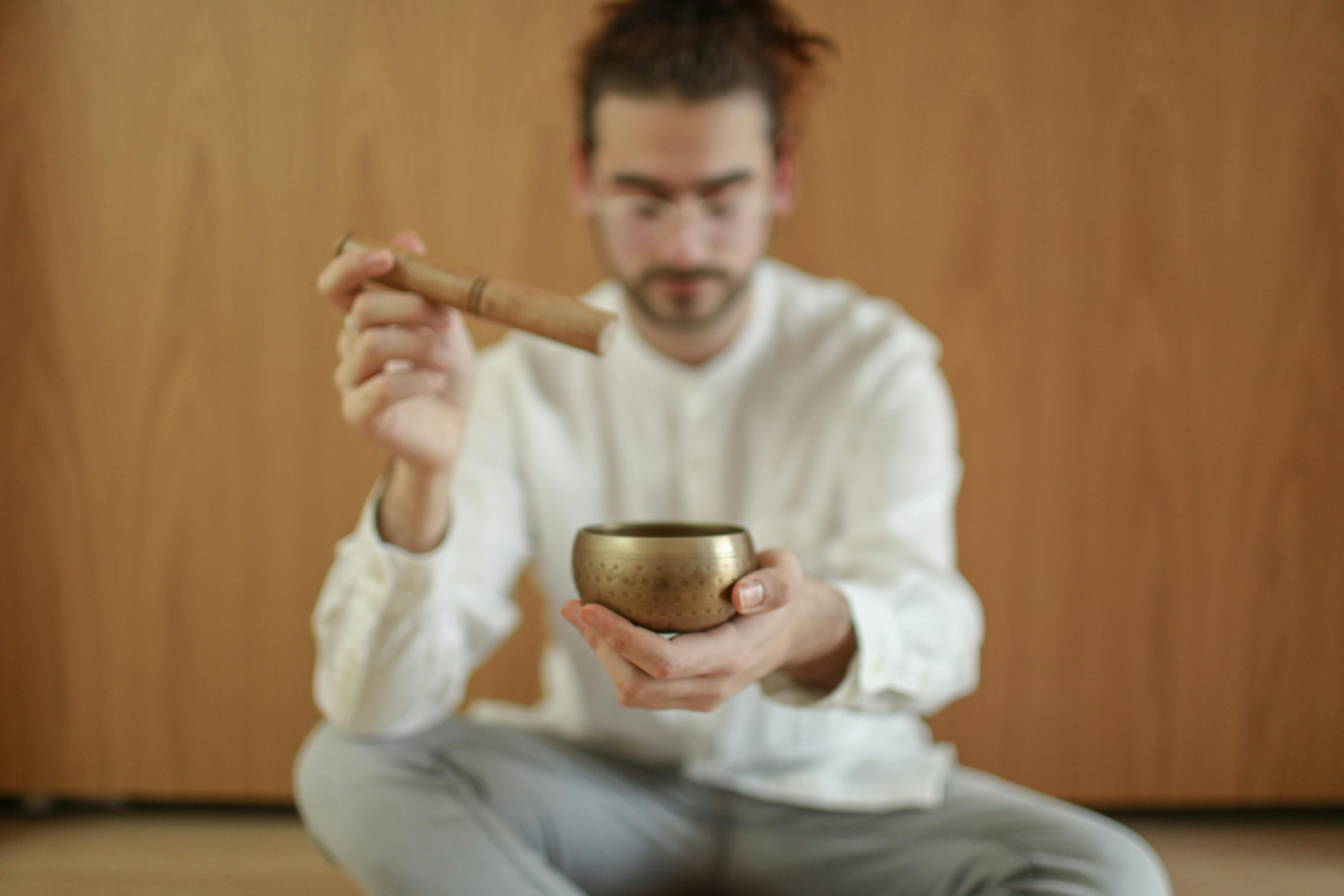
The Power of Mindful Breathing
Before we dive into the technique itself, let’s understand the science behind mindful breathing. The way we breathe has a significant impact on our physical and mental well-being. When we’re anxious or stressed, our breathing becomes shallow and rapid, which triggers the fight-or-flight response in our body. This response prepares us to deal with perceived danger – however, in our modern world, this danger is rarely life-threatening, but our body responds to stress in the same way.
By taking slow, deep breaths through mindful breathing, we can activate our parasympathetic nervous system, which helps our body relax and return to a calm state. This reduction in stress response can help alleviate anxiety, improve focus and concentration, and enhance overall well-being.
The Basics of Mindful Breathing
1. Find a Quiet and Comfortable Spot
To get started with mindful breathing, find a quiet and comfortable spot where you won’t be disturbed. It could be a designated meditation space in your home or a peaceful spot in nature. Make sure you’re sitting in a comfortable position – you can sit on the floor with your legs crossed or on a chair with your feet planted firmly on the ground.
2. Observe Your Breath
Once you’re settled in, start to observe your breath. Breathe in through your nose, allowing your belly to expand, and then exhale through your mouth, letting your belly relax. Pay attention to the sensation of the air filling your lungs and the movements of your belly as you breathe.
3. Focus on the Present Moment
As you continue to observe your breath, your mind may start to wander. That’s normal – our minds are constantly bombarded with thoughts and distractions. Whenever you notice your mind wandering, gently guide your attention back to your breath. By staying in the present moment and focusing on your breath, you’ll bring a sense of calm and clarity into your mind.
4. Incorporate Other Senses
For some, focusing solely on the breath may be challenging. In that case, you can incorporate other senses into your practice. For example, you can focus on the sound of your breath or the physical sensations as the air passes through your nostrils. Alternatively, you can incorporate essential oils or calming music to enhance your practice.
Practicing Mindful Breathing for Anxiety
Now that you have the basics of mindful breathing down, here are some tips to help you incorporate this powerful technique into your daily routine:
– Start with Short Sessions
As with any new skill, it’s best to start slow and gradually build up your practice. Begin with just a few minutes of mindful breathing and slowly increase the duration as you get more comfortable. Even a few minutes of mindful breathing can significantly reduce anxiety and improve overall well-being.
– Make it a Daily Habit
Consistency is key when it comes to mastering any skill – and mindful breathing is no exception. Make it a daily habit to practice mindful breathing, whether it’s first thing in the morning, during your lunch break, or before bed. With regular practice, your mind and body will become more attuned to this technique, and you’ll start to experience its benefits more deeply.
– Combine with Other Mindfulness Practices
Mindful breathing can be incredibly powerful on its own, but it can also work wonders when combined with other mindfulness practices such as meditation, yoga, or journaling. These practices can help you further calm your mind and body, and deepen your self-awareness.
In Conclusion
The ability to control our breath and calm our mind is a valuable skill that can help us navigate through life’s ups and downs. By mastering the art of mindful breathing, you can reduce anxiety, improve focus and concentration, and bring a sense of balance and peace into your life. So, take a few moments each day to connect with your breath and discover the transformative power of this simple yet effective technique.