
The Essential Guide to Understanding Different Types of Rice
If you are a fan of rice, you know that there are endless varieties to choose from. Whether you are making sushi, paella, or simply enjoy it as a side dish, the type of rice you use plays a crucial role in the final product. From long-grain to sticky, each variety has its own unique characteristics that make it perfect for specific dishes. But with so many options available, it can be overwhelming to know which type of rice to use for your favorite recipes. That’s why we have created this essential guide to understanding different types of rice. Let’s dive in and explore the world of rice and all its delicious possibilities!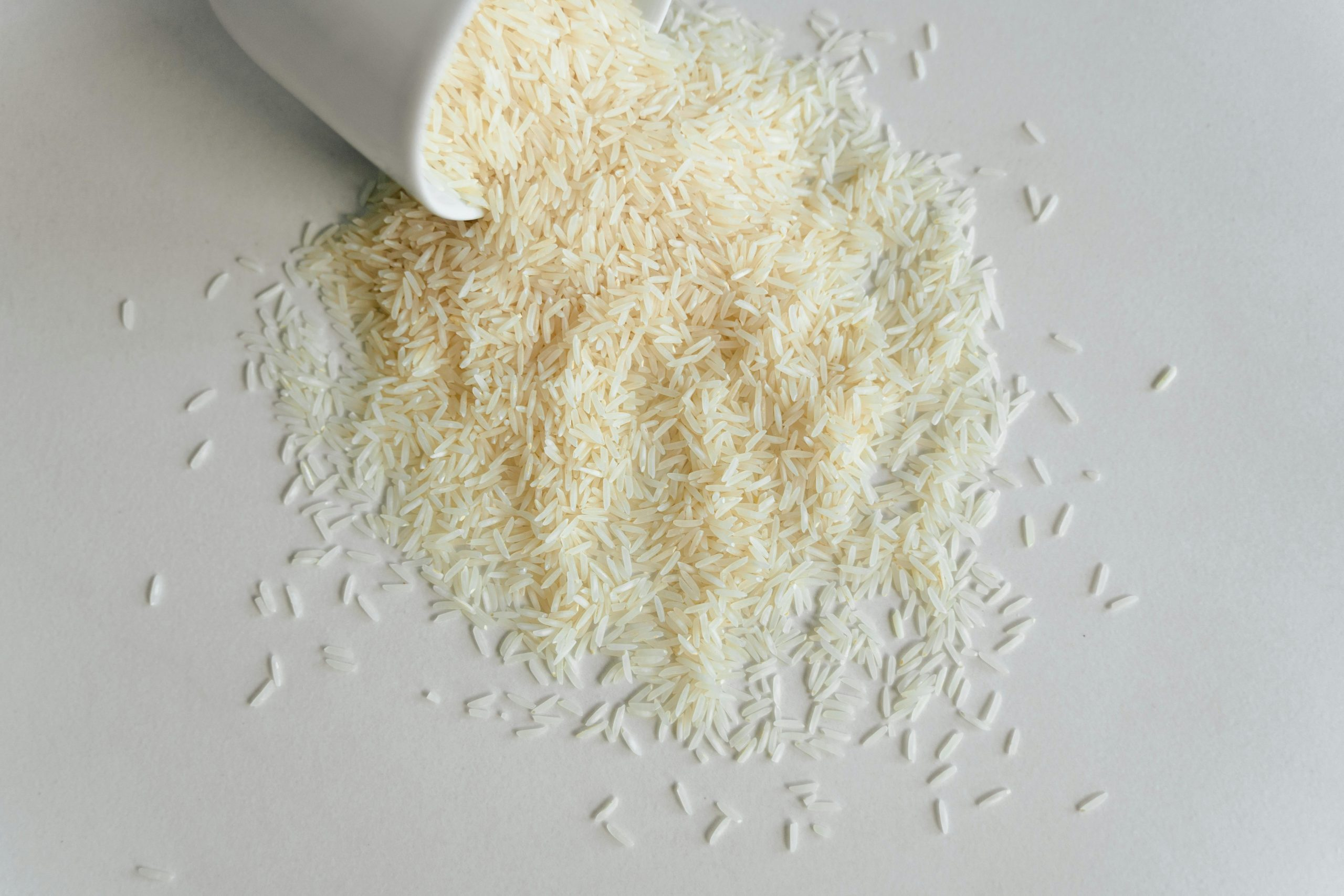
The Basics of Rice
Rice is a staple food for over half of the world’s population and has been cultivated for thousands of years. It is a type of grain from the grass species Oryza sativa and comes in various shapes, sizes, and colors. With its mild flavor and ability to absorb different flavors and spices, rice is a versatile ingredient that can be cooked in many ways. It is also a great source of carbohydrates and nutrients such as iron, B vitamins, and fiber.
Main Types of Rice
1. Long-Grain Rice
Long-grain rice has slender, elongated grains that are four to five times longer than their width. This type of rice is typically white and has a mild, nutty flavor. It is the most widely used variety and is often used for making dishes such as pilaf, biryani, and fried rice. Long-grain rice is also ideal for dishes that require each grain to stay separate and fluffy, like rice salads or sides.
2. Medium-Grain Rice
Medium-grain rice has grains that are shorter and plumper than long-grain rice, with a length that is two to three times its width. It has a slightly moist and sticky texture when cooked and is ideal for making dishes like risotto, paella, or rice pudding. Medium-grain rice is also popular in Asian cuisines, such as sushi rice, due to its ability to hold together when rolled.
3. Short-Grain Rice
Short-grain rice has very short and almost round grains, with a length that is less than twice its width. It has a sticky and moist texture when cooked, making it perfect for dishes that require a lot of moisture, like pudding or porridge. Short-grain rice is also popular in Japanese and Korean cuisines, where it is used to make dishes like sushi, onigiri, and rice bowls.
Specialty and Regional Varieties of Rice
Aside from the main types, there are also specialty and regional varieties of rice that are worth mentioning.
1. Basmati Rice
Basmati rice is a long-grain rice that is native to the Indian subcontinent. It has a delicate aroma and a nutty flavor, making it perfect for dishes like biryani and pilaf. Basmati rice is also known for its ability to elongate and remain separate when cooked, making it a popular choice for dishes that require fluffy and non-sticky rice.
2. Jasmine Rice
Jasmine rice is a long-grain rice that is popular in Thai and Vietnamese cuisines. It has a fragrant aroma resembling jasmine flowers and a slightly sweet flavor. Jasmine rice has a soft and sticky texture when cooked, making it ideal for dishes like stir-fries or curry.
3. Arborio Rice
Arborio rice is a medium-grain rice that is used to make Italian risotto. It is short and plump, with a high starch content that makes it creamy and sticky when cooked. The grains also have a distinctive white dot at the center, which is the starch that gives the rice its signature creaminess.
4. Sticky Rice
Sticky rice is a short-grain rice that is popular in Southeast Asian cuisines, particularly in Thailand and Laos. It is also known as glutinous rice, but despite its name, it does not contain gluten. Sticky rice has a unique texture that becomes sticky and chewy when cooked, making it perfect for dishes like mango sticky rice or as a filling for dumplings.
Which Rice to Use for What Dish?
Now that you know the main types of rice and their unique characteristics, you may wonder which one to use for a particular dish. Here’s a quick guide to help you choose:
– Long-grain rice: best for fluffy and separate grains, ideal for dishes like pilaf, biryani, or fried rice.
– Medium-grain rice: best for dishes that require moisture, like risotto, paella, or rice pudding.
– Short-grain rice: best for dishes that require stickiness, like sushi, rice bowls, or porridge.
– Basmati rice: best for dishes that require non-stickiness and a delicate aroma, like biryani or pilaf.
– Jasmine rice: best for dishes that require a fragrant aroma and a slightly sweet flavor, like stir-fries or curries.
– Arborio rice: best for making creamy risotto.
Of course, these are only general guidelines, and you can always experiment and use the type of rice that you prefer for a particular dish.
In Conclusion
Rice is a versatile and delicious ingredient that can elevate any dish. With its various types and unique characteristics, it is worth exploring and experimenting with to discover your favorite variety. Whether you prefer long-grain for fluffiness, medium-grain for creaminess, or short-grain for stickiness, you can’t go wrong with any type of rice. So go ahead and add some rice to your next meal, and enjoy the flavors and textures that this humble grain has to offer. Happy cooking!