Understanding the Impact of pH on Cooking Outcomes

Cooking is a delicate art that requires precision and knowledge of various techniques and ingredients. But one factor that often goes unnoticed in the kitchen is pH levels. Yes, you heard it right, pH can have a significant impact on the outcome of your cooking. Whether you are an amateur cook or a professional chef, understanding the impact of pH on cooking outcomes is crucial. In this article, we will delve deeper into this concept and how you can use it to elevate your cooking game. So, put on your apron, grab a pen and paper, and let’s get started!
The Basics of pH
Before we jump into the realm of cooking, let’s understand the basics of pH. pH is a measure of the acidity or basicity of a solution. It is measured on a scale of 0 to 14, with 7 being neutral, below 7 being acidic, and above 7 being basic. The lower the pH, the higher the acidity; and the higher the pH, the higher the basicity. Now, you might be wondering, what does this have to do with cooking? Well, everything! Let’s find out.
Acids and Bases in Food
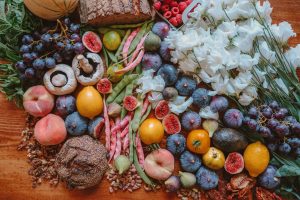
Almost all natural foods contain acids and bases, which contribute to their overall flavor. For example, lemons and oranges are known for their tartness (high in acid), while bananas and avocados have a creamy, slightly bitter taste (high in base). When cooking, we often add ingredients that have a particular level of acidity or basicity to balance the overall taste of the dish.
But the level of acidity or basicity in food can also affect the cooking process and the final outcome of the dish. Let’s take a closer look at how pH affects different cooking methods.
Grilling and pH
When it comes to grilling, we usually think of marinades and seasonings as the key players in enhancing the flavor of meats. But have you ever noticed that some marinades contain ingredients like lemon juice, vinegar, or even beer? That’s because these ingredients add acidity to the meat, resulting in a more tender and flavorful outcome.
When we cook meat on high heat, the pH of the meat’s surface increases. This causes the proteins to denature and coagulate, giving the meat a firm texture. However, when we add acidic ingredients to the marinade, such as lemon juice, the pH of the meat’s surface decreases. This results in the proteins remaining unfolded, making the meat more tender and juicy.
Baking and pH
If you’re an avid baker, you’re probably familiar with the role of baking soda and baking powder in your recipes. Both of these ingredients are bases that react with acids in the batter to create carbon dioxide. This reaction helps the dough rise, resulting in light and fluffy baked goods.
But the pH level of your batter can also affect the texture and flavor of your baked goods. For instance, a batter with a higher pH will produce a more yellow cake, while a lower pH will result in a lighter color. Similarly, a higher pH in your batter will result in a more delicate and tender crumb, whereas a lower pH will lead to a denser texture.
The Impact of pH in Other Cooking Methods
Aside from grilling and baking, the pH level can also have an impact on other cooking techniques such as braising, poaching, and sautéing. In braising and poaching, the acidic ingredients used in the cooking liquid not only add flavor but also help to break down tough cuts of meat. Similarly, when sautéing vegetables, adding a splash of vinegar or a squeeze of lemon juice can enhance their flavors and maintain their vibrant color.
Other Factors to Consider
While pH plays a significant role in the cooking process, other factors such as temperature, time, and the type of cookware also play a crucial role. For instance, cooking at high temperatures can increase the pH of food, while prolonged cooking can decrease the pH. Additionally, using certain types of cookware, such as non-reactive cookware, can also impact the pH level of your dishes.
The Bottom Line
In conclusion, understanding the impact of pH on cooking outcomes can take your dishes to the next level. Whether it’s adding a splash of lemon juice to your marinade or adjusting the pH of your baking batter, this knowledge can help you create perfectly balanced and flavorful dishes. So, next time you’re in the kitchen, don’t forget about the pH of your ingredients, and watch your cooking skills soar. Happy cooking!