Innovations in Teaching Sight-Reading and Ear Training

As technology evolves and becomes more integrated into our daily lives, it is no surprise that it has also made its way into the classroom. This is especially true for music education, where technology has opened up countless doors for innovative teaching methods. In particular, advancements in teaching sight-reading and ear training have revolutionized the way music is taught and learned. In this article, we will explore some of the latest innovations in teaching sight-reading and ear training and how they are enhancing the educational experience for both teachers and students alike.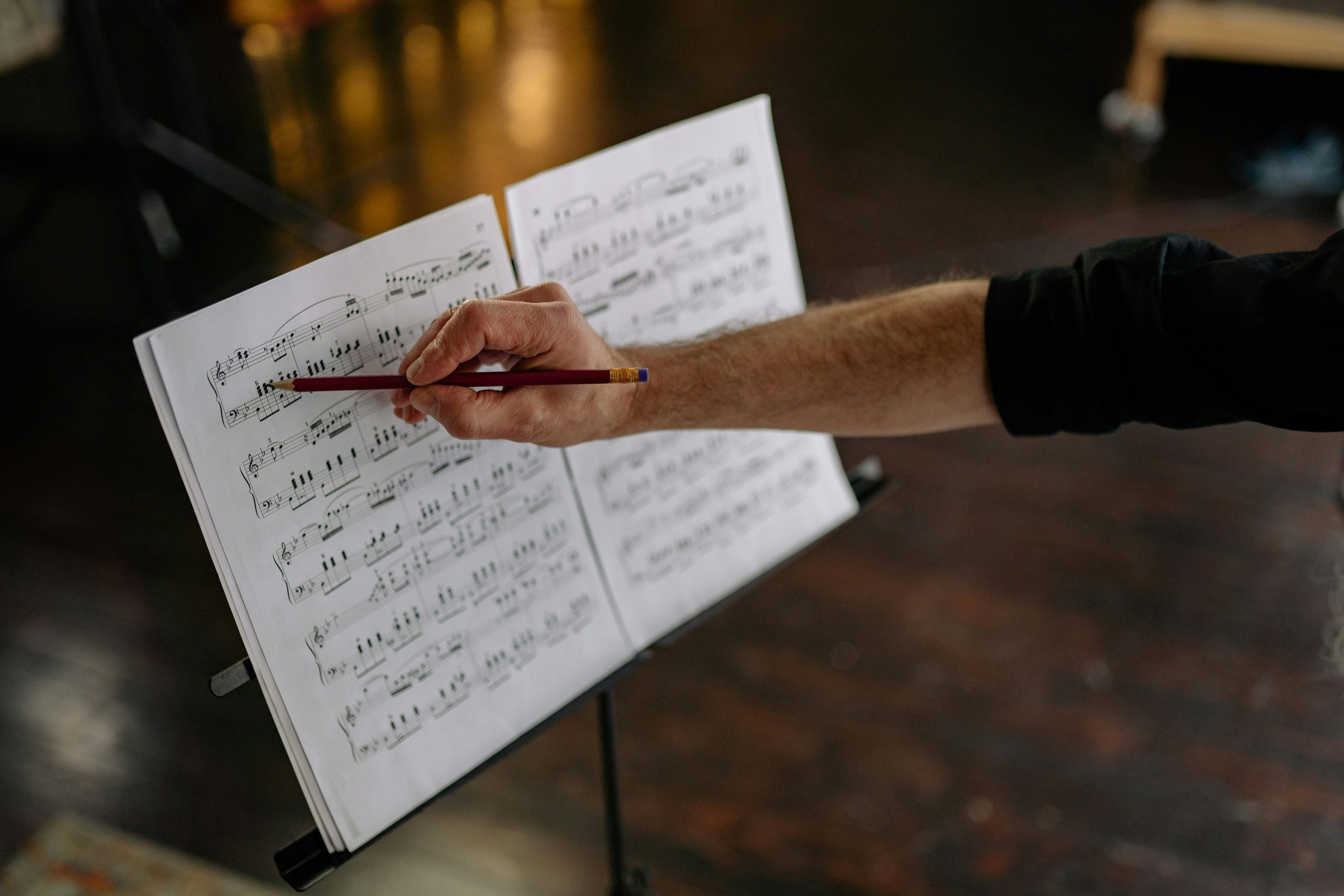
The Importance of Sight-Reading and Ear Training
Before we dive into the innovations, let us first understand why sight-reading and ear training are crucial skills for any musician. Sight-reading is the ability to read and play music as it is written, without prior rehearsal or preparation. On the other hand, ear training is the skill of being able to identify and replicate musical sounds, both pitch and rhythm, by ear. These skills are essential for musicians to become well-rounded and proficient in their craft.
Traditionally, sight-reading and ear training have been taught through conventional methods such as sheet music and repetitive drills. While these methods do have their merits, they can also be tedious and not always effective for all students. This is where technology has stepped in to provide new and exciting ways to teach these important skills.
Innovative Apps and Software
Interactive Games
One of the most popular ways technology is being used to teach sight-reading and ear training is through interactive games. These games are not only fun and engaging, but they also provide immediate feedback and allow for a personalized learning experience. One example of such a game is Staff Wars, where students must correctly identify notes on a staff to shoot down enemy spaceships. This game can be played on both desktop and mobile devices, making it accessible for students to practice anytime, anywhere.
Virtual Reality
Advancements in virtual reality are also being used in music education to enhance sight-reading and ear training. Virtual reality allows students to be fully immersed in a simulated environment, creating a more engaging and realistic learning experience. For example, Sight Reading Factory offers a virtual reality mode where students can practice sight-reading in a virtual concert hall setting, complete with audience sounds. This not only helps simulate the pressure of performing in front of a live audience but also allows students to practice in a more authentic setting.
Aural Training Software
Software specifically designed for aural training has also become increasingly popular in music education. These programs use a variety of techniques, such as interval recognition, chord identification, and melodic dictation, to improve students’ ear training skills. One example is EarMaster, which offers a comprehensive ear training course with customizable exercises for different levels and goals. This makes it an ideal tool for both beginners and advanced musicians looking to improve their ear training abilities.
Smart Instruments
Another exciting innovation in teaching sight-reading and ear training is the use of smart instruments. These are traditional instruments that have been enhanced with technology to offer a more interactive and immersive learning experience. For example, Roli’s Seaboard is a keyboard that uses touch-sensitive keys and advanced sensors to provide real-time visual feedback on students’ playing. This not only helps improve sight-reading skills but also allows for a more intuitive and creative approach to music-making.
Conclusion
Innovations in teaching sight-reading and ear training have transformed the way these skills are taught, making them more accessible, engaging, and effective for students of all levels. With the continued advancements in technology, the possibilities for music education are endless. As educators, it is essential to embrace these innovations and adapt our teaching methods to provide the best learning opportunities for our students.
Technology is not a replacement for traditional methods, but rather a supplement that can enhance and diversify the learning experience. By incorporating these innovations into our teaching, we can create a more dynamic and exciting environment for students to develop their musical abilities. As the saying goes, “When words fail, music speaks.” Let us embrace the power of technology to help our students become proficient sight-readers and ear training experts, allowing them to express themselves freely and beautifully through music.