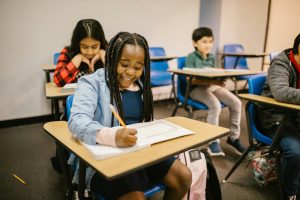
Developing an Eye for Fairness
Have you ever found yourself in a situation where you have to make a difficult decision? Whether it’s choosing between two potential job candidates or determining the appropriate punishment for a misbehaving child, making fair and just decisions can be a challenging task. In a society that values fairness and equality, it is important for individuals to develop an eye for fairness. This skill involves being able to objectively evaluate a situation and make decisions that are fair and just for everyone involved. In this article, we will explore the concept of developing an eye for fairness and how you can improve this skill in various areas of your life.
The Importance of Fairness
Fairness is a crucial aspect of our society, as it promotes equality and justice. When decisions are made in a fair and unbiased manner, it creates an environment of trust and respect. On the other hand, when decisions are perceived as unfair or biased, it can lead to feelings of resentment and mistrust. This is why it is important for individuals to have an eye for fairness, especially in positions of power or authority.
Developing an Eye for Fairness
Having an eye for fairness involves being able to step back and view a situation objectively. This requires setting aside personal biases and emotions in order to make a fair decision. Here are some tips for developing this skill:
1. Consider Different Perspectives
In order to make a fair decision, it is important to consider all perspectives. This means not only considering your own point of view, but also taking into account the perspectives of others involved. This can help you gain a better understanding of the situation and make a more informed decision.
2. Gather All Relevant Information
In some cases, we may make assumptions or jump to conclusions without having all the relevant information. This can lead to unfair decisions. It is important to take the time to gather all the necessary information before making a decision. This can involve gathering data, speaking to those involved, or seeking the advice of others.
3. Be Open-Minded
Having an open mind is essential for developing an eye for fairness. This means being willing to listen to different perspectives and consider alternative viewpoints. Being open-minded can help you avoid being influenced by personal biases and can lead to more fair and just decisions.
Applying an Eye for Fairness in Different Areas of Life
Having an eye for fairness can be beneficial in many aspects of life, including personal relationships, the workplace, and society as a whole. Here are some examples of how you can apply this skill in different areas:
1. Personal Relationships
In personal relationships, having an eye for fairness is crucial for maintaining healthy and balanced relationships. This can involve addressing conflicts in a fair and objective manner, showing empathy and understanding towards others, and considering both your own and your partner’s needs in decision-making.
2. The Workplace
In the workplace, having an eye for fairness is important for promoting a positive and productive work environment. This can involve treating all employees equally, providing equal opportunities for advancement, and making decisions based on merit rather than personal biases.
3. Society
In a larger societal context, having an eye for fairness is crucial for promoting social justice and equality. This can involve advocating for fair and equal treatment of all individuals, standing up against discrimination and inequalities, and supporting policies that promote fairness and equality.
Conclusion
Having an eye for fairness is a valuable skill that can benefit both individuals and society as a whole. By considering different perspectives, gathering all relevant information, and being open-minded, you can improve your ability to make fair and just decisions. Whether in personal relationships, the workplace, or society, having an eye for fairness can help create a more equal and just world.