
Making Sustainable Food Shopping Accessible to Budget-Conscious Families
If you’re a budget-conscious family looking to make more sustainable food choices, you may feel overwhelmed by the cost and complexity of sustainable food shopping. The good news is that with some strategic planning and tips on how to shop smarter, you can make sustainable food shopping accessible to your family without breaking the bank. In this article, we’ll explore how you can make sustainable food shopping a viable and budget-friendly option for your family.
Defining Sustainable Food Shopping
Before we dive into the specifics of how to make sustainable food shopping accessible on a budget, let’s first define what exactly we mean by sustainable food. Sustainable food refers to food that is produced in a way that is environmentally, socially, and economically responsible. This includes considering the impact on the environment, the welfare of animals, and the livelihoods of farmers and workers.
Why is Sustainable Food Shopping Important?
Sustainable food shopping is essential for several reasons. First, it helps reduce the environmental impact of food production. Many conventional farming practices use harmful chemicals and deplete natural resources, contributing to climate change and pollution. By choosing sustainable, locally sourced and organic food, you can do your part to protect the environment.
Additionally, sustainable food shopping supports local farmers and promotes fair labor practices. Many sustainable food options are grown and produced by small, independent farmers, who often struggle to compete with large corporations that dominate the food industry. By choosing to buy from these farmers, you are helping to support their livelihoods and contribute to a more equitable food system.
Strategies for Making Sustainable Food Shopping Accessible on a Budget
1. Buy in bulk
One of the most significant barriers to sustainable food shopping is the higher cost compared to conventional options. However, buying in bulk can help offset these costs. Many health food stores and co-ops offer bulk options for items like grains, nuts, and spices. By purchasing these items in bulk, you can save money and reduce packaging waste.
2. Shop at farmers’ markets
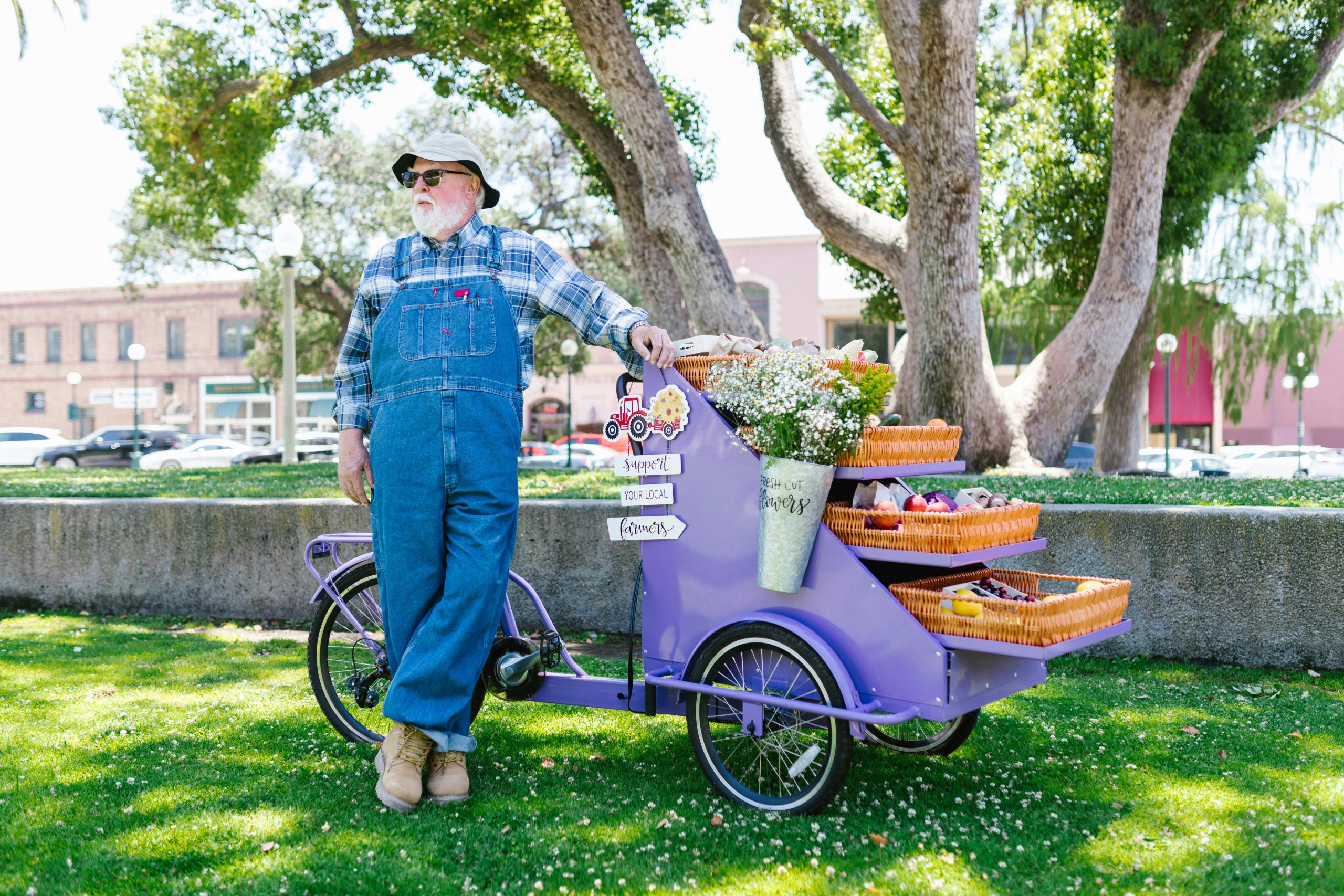
Farmers’ markets are a great place to find fresh, locally grown produce at lower prices. In many cases, the produce at these markets is also organic and sustainably produced, making it an excellent choice for budget-conscious families looking to make more sustainable food choices.
3. Join a CSA
CSA stands for Community Supported Agriculture, and it’s a great way to support local farmers and get a variety of fresh, seasonal produce at affordable prices. By purchasing a share in a CSA, you are directly supporting a local farm and can receive a weekly or monthly basket of fresh produce, often at a discounted rate compared to buying the same items at a store.
4. Opt for less expensive sustainable options
While some organic and sustainable foods may be more expensive than their conventional counterparts, there are often affordable and sustainable options available. For example, choosing in-season produce and plant-based protein sources can be more cost-effective than buying expensive cuts of meat. You can also save money by cooking from scratch rather than buying pre-made, processed foods.
5. Plan your meals
Meal planning is an excellent way to save money and reduce food waste. By planning your meals in advance, you can make a shopping list and only purchase the items you need, preventing impulse buys. This can also help you utilize ingredients efficiently, reducing food waste and saving money in the long run.
6. Choose sustainable options for foods you consume frequently
If there are certain foods your family consumes regularly, consider choosing sustainable options for those items. For example, if your family drinks a lot of milk, consider switching to organic or grass-fed options, which are often sustainably produced and may have added health benefits.
In Conclusion
Sustainable food shopping can seem daunting, but by using these strategies and tips, you can make it a more accessible and budget-friendly option for your family. Remember, small changes can make a big difference, so start by incorporating one or two sustainable food choices into your routine and build from there. Not only will you be making a positive impact on the environment and supporting local farmers, but you’ll also be promoting a healthier lifestyle for your family.