The Importance of Physical Space in Educational Settings
In today’s modern age, technology and digital learning have become integral parts of the educational experience. As a result, the physical space and environment of educational settings often take a backseat. However, the physical space plays a crucial role in a student’s learning and overall well-being. As educators, it’s important for us to recognize the impact that physical space can have on our students and how we can optimize it for their benefit. In this article, we’ll explore the importance of physical space in educational settings and the ways in which it can positively impact our students. 
The Power of Physical Space in Learning
Physical space refers to the physical environment in which education takes place. This includes the classroom layout, furniture, lighting, temperature, and overall atmosphere. While it may seem inconsequential, research has shown that the physical environment can have a significant impact on a student’s learning and development.
Stimulates Creativity and Imagination
One of the primary benefits of a well-designed physical space is that it can stimulate creativity and imagination. A dull and monotonous space can hinder a student’s ability to think outside the box. On the other hand, a colorful and inviting learning environment can spark their creativity and imagination. This is especially important for younger students who are still developing their critical thinking skills.
Creates a Sense of Belonging
The physical space of an educational setting also plays a crucial role in creating a sense of belonging for students. The layout and design of a classroom can affect a student’s level of comfort and ease. If the space is overly cluttered and chaotic, it can lead to feelings of stress and anxiety. On the other hand, a well-organized and welcoming space can make students feel more at ease and promote a sense of belonging.
Promotes Collaboration and Interaction
In a traditional classroom setting, students are often seated in rows, facing the front of the class. However, this layout may hinder collaboration and interaction among students. By creating a more open and interactive physical space, students are encouraged to work together and engage with one another. This can lead to a more dynamic and engaging learning experience for students.
Optimizing Physical Space for Educational Settings
Now that we understand the importance of physical space in educational settings, let’s explore some ways in which we can optimize it for our students.
Flexible Learning Spaces
Gone are the days of rigid, structured classrooms. To cater to the diverse learning needs and styles of students, it’s important to have flexible learning spaces. These can include areas for quiet individual work, as well as collaborative group work. By giving students the freedom to choose their learning environment, it can increase their motivation and engagement.
Natural Lighting and Plants
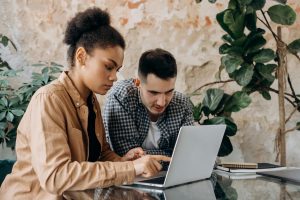
Natural lighting has been linked to increased productivity, creativity, and overall well-being. When designing the physical space of an educational setting, ample natural lighting should be considered. Additionally, incorporating plants and greenery has also been proven to have positive effects on students, such as improved concentration and reduced stress levels.
Use of Technology
Technology is an integral part of the modern educational experience. By incorporating technology into the physical space, such as interactive whiteboards or tablets, students can further engage with the material and enhance their learning. However, it’s important to strike a balance and not rely solely on technology, as it can also have negative effects if not appropriately utilized.
In Conclusion
As educators, it’s important to recognize the crucial role that physical space plays in a student’s learning and development. By understanding the power of physical space and implementing strategies to optimize it, we can create a more conducive and engaging learning environment for our students. Let’s not overlook the importance of physical space and utilize it to its full potential.