
Smart Budgeting Strategies for Achieving Personal Financial Goals
When it comes to achieving our personal financial goals, one of the most crucial factors is smart budgeting. A well-planned and thought-out budget can help us meet our financial objectives, whether it’s paying off debt, saving for a vacation, or building an emergency fund. However, budgeting can seem like a daunting task for many, and it’s common to feel overwhelmed or unsure of where to start. But fear not, because with the right strategies and mindset, financial success is within your reach. In this article, we will discuss some smart budgeting strategies that can help you achieve your personal financial goals.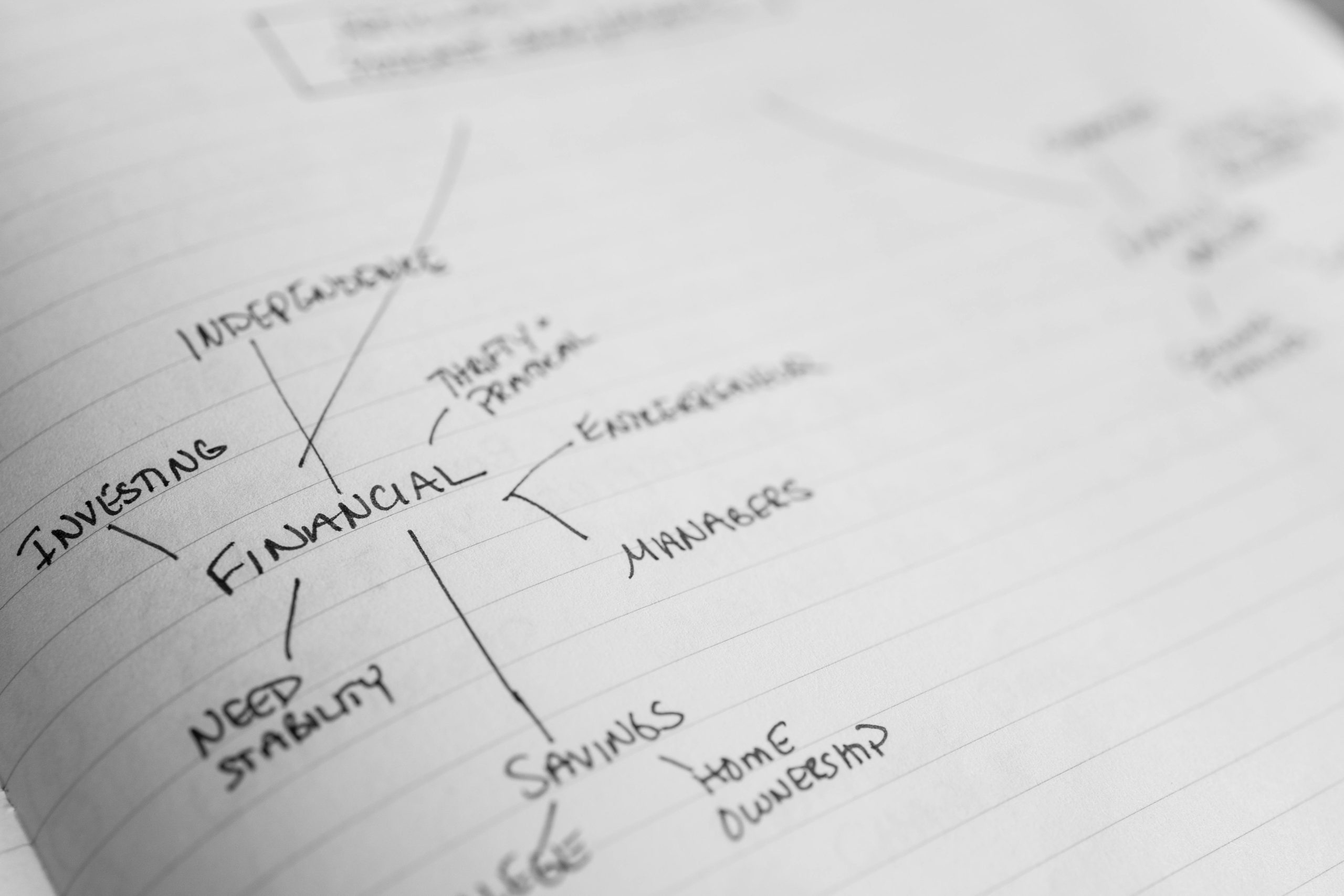
Tracking Your Expenses
The first step in smart budgeting is to have a clear understanding of your spending habits. It’s essential to track all your expenses, including the little ones like your daily coffee or snacks. Many people make the mistake of overlooking these small purchases, but they can add up quickly and significantly impact your budget. Keep track of your expenses for at least a month, and you’ll have a better idea of where your money is going.
Categorize Your Expenses
Once you’ve tracked your expenses, the next crucial step is to categorize them. This can be as simple as separating them into fixed and variable expenses. Fixed expenses are those that remain the same every month, such as rent, mortgage, or car payment. Variable expenses are those that fluctuate, such as groceries, dining out, and entertainment. Breaking down your expenses into specific categories will help you see where you’re spending the most and identify areas where you can cut back.
Create a Realistic Budget
Once you have a better understanding of your spending habits, it’s time to create a budget that works for you. Many people make the mistake of setting unrealistic budgets, which can lead to frustration and eventually giving up on budgeting altogether. Take a look at your income and expenses and determine how much you can realistically allocate towards each category. Remember to leave some room for unexpected expenses and savings.
Include Room for Savings
It’s crucial to include savings in your budget, no matter how tight your finances might be. Start by setting aside a small percentage of your income towards an emergency fund. This fund will come in handy when faced with unexpected expenses, such as car repairs or medical bills. It’s recommended to have at least three to six months’ worth of living expenses in your emergency fund.
Cutting Back on Unnecessary Expenses
Once you have a budget in place, it’s essential to stick to it. This means cutting back on unnecessary expenses. Look for areas where you can make adjustments and reduce your spending. For example, cutting back on dining out and cooking at home can save you a significant amount of money each month. You can also look for alternative, more cost-effective options for your utilities, insurance, and other fixed expenses. Every little bit counts when it comes to budgeting.
Be Mindful of Your Spending
Sticking to a budget requires discipline and self-control. It’s easy to get carried away and splurge on unnecessary purchases, especially when we see our friends and colleagues living a certain lifestyle. Be mindful of your spending and remind yourself of your financial goals. Keep track of your progress, and reward yourself when you achieve milestones.
Seek Professional Advice
If you feel overwhelmed or unsure of how to create a budget that works for you, consider seeking professional advice. A financial advisor can help you assess your financial situation, identify areas for improvement, and create a personalized budget plan to help you achieve your financial goals. They can also provide valuable insights and strategies to help you stay on track and make the most of your income.
Stay Consistent and Re-evaluate Regularly
Smart budgeting is not a one-time task but rather an ongoing process. It’s essential to stay consistent with your budget and regularly re-evaluate it. Life is unpredictable, and circumstances can change, so it’s crucial to adjust your budget accordingly. Make sure to review and update your budget annually or whenever there are significant changes in your income or expenses.
In conclusion, smart budgeting is a fundamental tool for achieving our personal financial goals. By tracking our expenses, creating a realistic budget, cutting back on unnecessary expenses, and seeking professional advice, we can take control of our finances and work towards a better financial future. Remember to stay disciplined, consistent, and always keep your financial goals in mind. With these smart budgeting strategies, you’ll be on your way to financial success in no time.