Innovations in Braking Technology: Stopping Power Evolved
When we hop in our cars and hit the roads, one of the most crucial aspects we rely on is the ability to stop on demand. From unexpected traffic to sudden obstacles, our braking system is an indispensable safety feature that can determine life or death on the road. Luckily, over the years, brake technology has evolved to provide us with better stopping power and more reliable performance. In this article, we will explore the innovative braking technologies that have revolutionized the way we stop and how they have evolved into the powerful systems we have today.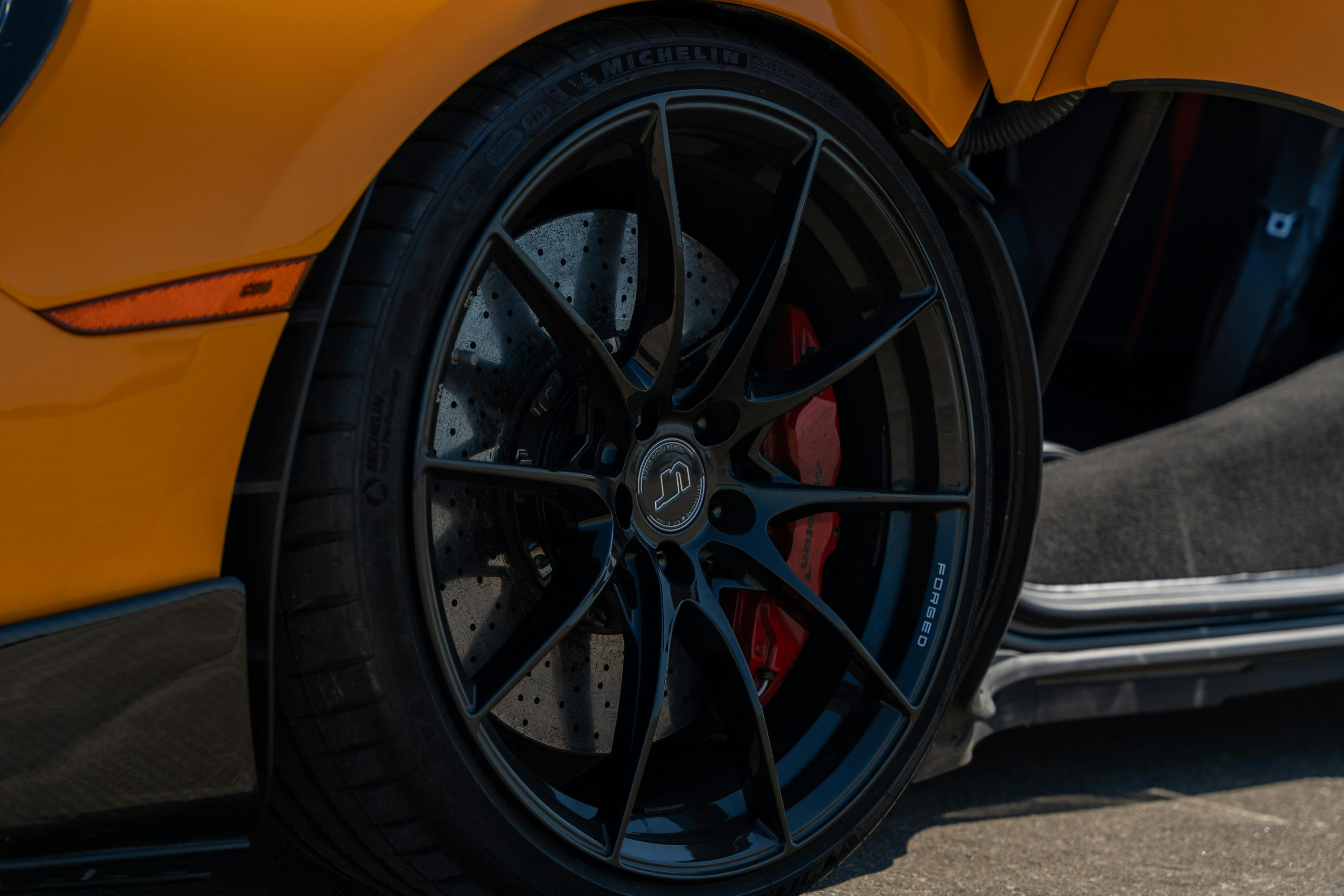
The Evolution of Brake Technology
Before we dive into the advancements in braking technology, let’s take a quick trip down memory lane and look at how brakes have evolved over time. The earliest form of brakes, known as “block” brakes, consisted of wooden blocks pressed against steel rims to slow down horse-drawn carriages. Fast forward to the early 1900s, and we see the introduction of mechanical drum brakes, which utilized a set of shoes pressed against the inside of a rotating drum.
As cars became faster and heavier, drum brakes couldn’t keep up, and we saw the development of disc brakes in the 1950s. Their design allowed for a greater surface area and more efficient heat dissipation, leading to improved performance and reliability. However, disc brakes still relied on a mechanical system and were susceptible to wear and tear. This led to the development of a new era in braking technology – electronic braking.
The Introduction of Electronic Braking
In the 1970s, electronic braking systems (EBS) were first introduced, paving the way for modern brake technology. EBS utilized sensors and computers to control the amount of pressure applied to the brakes, resulting in more precise control and quicker response time. This marked a significant improvement in braking and paved the way for advanced braking systems such as anti-lock braking systems (ABS).
The Power of ABS
Today, ABS is a standard feature in most modern vehicles, and for a good reason. ABS allows for maximum braking force without locking up the wheels, which would result in a loss of control. It does this by pulsing the brakes rapidly, allowing the wheels to maintain traction with the road, even in emergency situations. ABS has saved countless lives and has become a staple in modern braking systems.
Innovations in ABS Technology
While ABS has proven to be a life-saving technology, it has continued to evolve and improve over the years. One notable advancement is the introduction of electronic stability control (ESC), which works in tandem with ABS to provide even greater control during emergency braking situations. ESC utilizes sensors to detect any loss of traction and adjusts the braking force on individual wheels to keep the vehicle stable and under control.
In recent years, we have also seen the incorporation of brake-by-wire technology in high-end vehicles. This system replaces traditional mechanical components, such as the brake pedal and master cylinder, with electronic components, providing an even more refined and precise braking experience.
The Future of Braking Technology
As technology continues to advance, we can expect to see even more innovations in braking technology. One area of development is regenerative braking, which uses electric motors to convert the kinetic energy produced during braking into electrical energy, which can be stored and used to power the vehicle. This not only improves fuel efficiency but also reduces wear and tear on traditional braking systems.
The development of autonomous vehicles has also sparked advancements in braking technology. With the use of sensors and artificial intelligence, these vehicles are capable of predicting and avoiding potential hazards on the road, making emergency braking situations less common.
In Conclusion
From wooden blocks to electronic braking systems and beyond, the evolution of braking technology has been nothing short of remarkable. With continued innovation and advancements, we can expect to see even safer and more efficient braking systems in the future. As we continue to rely on our vehicles to get us from point A to point B, it’s reassuring to know that our braking systems have evolved and evolved to provide us with the stopping power we need to stay safe on the roads.