
The History of the Assembly Line and Mass Production
From cars and smartphones to clothing and food, mass production has revolutionized our daily lives. But have you ever wondered how this efficient and cost-effective method came to be? The answer lies in the history of the assembly line and mass production.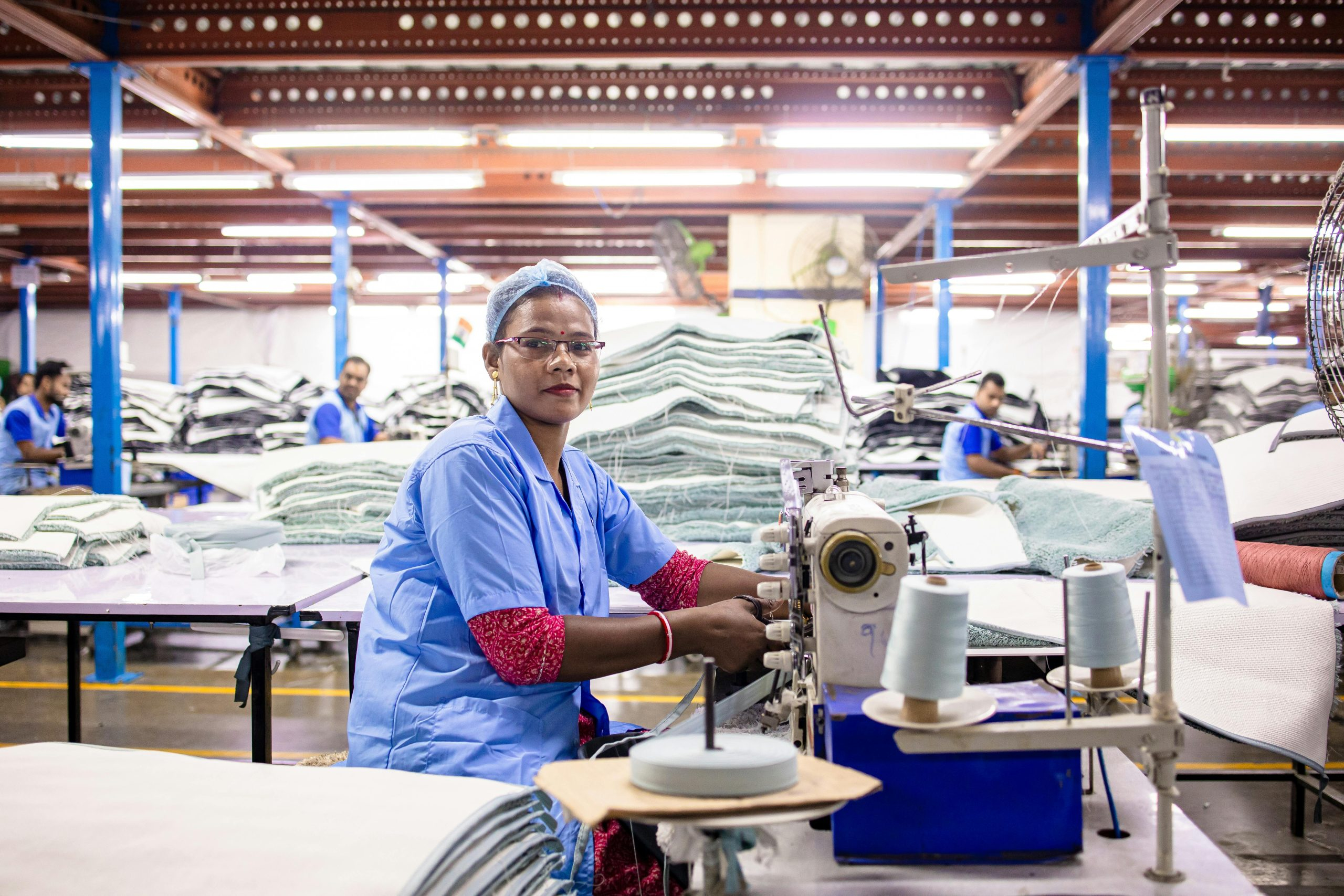
The Early Days of Manufacturing
In the early 19th century, manufacturing was a time-consuming and labor-intensive process. Goods were typically made by skilled craftsmen who completed each step of the production individually. This meant that the process was slow and expensive, making it difficult for manufacturers to keep up with the growing demand for goods.
That all changed with the Industrial Revolution. With the invention of new technologies such as the steam engine and machines like the spinning jenny and power loom, production became faster and more efficient. This led to the rise of factories and the mass production of goods.
The Evolution of the Assembly Line
The assembly line, as we know it today, can be traced back to the late 18th and early 19th century. However, it wasn’t until the early 20th century that it truly revolutionized the manufacturing industry. In 1901, Ransom Olds, the founder of Oldsmobile, introduced the concept of the assembly line in his factory. This involved using a moving conveyor belt to transport parts to workers who would then assemble them onto the cars.
But it was Henry Ford who perfected the assembly line and brought it to the mainstream. In 1913, Ford’s factory in Highland Park, Michigan, became the first to implement a moving assembly line for mass production. This innovation allowed for a significant increase in production speed and efficiency, cutting the time it took to build a car from 12 hours to just 2 hours and 30 minutes.
The Impact of Mass Production
The introduction of the assembly line and mass production had far-reaching effects on the economy and society. The ability to produce goods quickly and cheaply led to a significant increase in consumerism, as people could now afford to buy more goods than ever before. This, in turn, stimulated economic growth and created new job opportunities.
The assembly line also had a significant impact on the American workforce. As factories required less skilled workers, many people moved from rural areas to cities looking for job opportunities in the newly established manufacturing centers. This urbanization fueled the growth of cities and shaped the way we live and work today.
Innovations in Mass Production
As technology continued to advance, so did the methods of mass production. In the mid-20th century, companies like Toyota and General Motors introduced the concept of just-in-time (JIT) production, which aimed to reduce waste and costs by only producing goods when they were needed. This approach became the basis for lean manufacturing, a philosophy widely adopted by industries around the world.
Today, with the rise of automation and robotics, the possibilities for mass production seem endless. The assembly line has become more sophisticated, with machines that can perform multiple tasks and produce a wider range of products. This not only increases efficiency but also allows for greater customization and flexibility in production.
The Future of Mass Production
While mass production has brought us countless benefits, it has also presented challenges. The increase in production has put a strain on natural resources and caused environmental issues. The need for skilled workers has also decreased, leading to job losses and a skills gap in the workforce.
As we move towards a more sustainable future, the focus is shifting towards creating a balance between efficient production and environmental responsibility. Technologies such as 3D printing and sustainable materials are emerging as alternatives to traditional mass production methods, providing a more sustainable and customizable approach to production.
Conclusion
The history of the assembly line and mass production is a testament to human innovation and our constant pursuit of efficiency. From its humble beginnings to its massive impact on society, it has transformed the way we produce and consume goods. As we continue to advance and evolve, the future of mass production looks bright, with endless possibilities for more sustainable and efficient methods of production.