The Role of Artificial Intelligence in Automotive Testing

The advancement of technology has revolutionized various industries and the automotive sector is no exception. With the rise of autonomous vehicles, the need for efficient automotive testing has become crucial. This is where the role of Artificial Intelligence (AI) comes in. AI has become an integral part of automotive testing, enabling manufacturers to achieve quicker and more accurate results. In this article, we will explore the various ways in which AI is transforming automotive testing and its impact on the industry.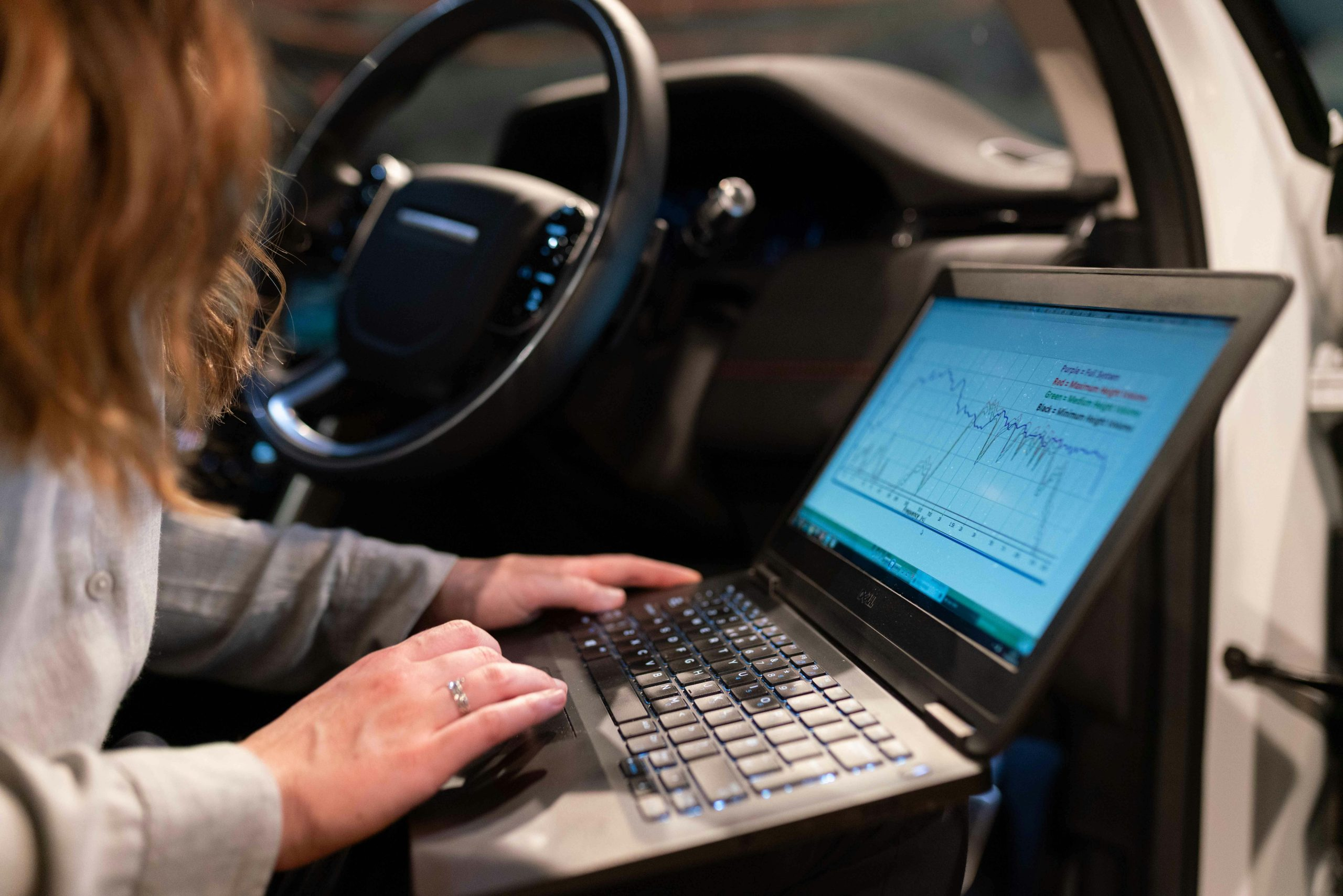
The Evolution of Automotive Testing
Traditionally, automotive testing has been a time-consuming and labor-intensive process. With the growing complexity of vehicles, the testing procedures have become more detailed and extensive. This has resulted in longer development cycles and higher costs for automotive manufacturers. To overcome these challenges, the use of AI in automotive testing has gained significant traction.
Improving Testing Efficiency and Accuracy
One of the main advantages of using AI in automotive testing is the ability to improve testing efficiency and accuracy. AI algorithms can analyze large volumes of data and perform various tests simultaneously. This not only speeds up the testing process but also reduces the chances of human error. With AI, manufacturers can detect defects and failures that would have otherwise gone unnoticed, resulting in better quality control.
Cost Reduction
In the automotive industry, time is money. Every day that a vehicle spends in testing adds to the production costs. AI can help reduce these costs significantly by automating the testing process. This eliminates the need for manual labor and increases the speed and accuracy of testing. With less time and resources spent on testing, manufacturers can bring their vehicles to market faster and at a lower cost.
Performance and Reliability Testing
AI has the ability to simulate real-world driving conditions, ensuring that the vehicle’s performance and reliability are tested to the highest standards. It can analyze data from various sensors, such as cameras and lidar, to evaluate a vehicle’s response to different scenarios. This is crucial for the development of autonomous vehicles, as it allows for testing in a safe and controlled environment.
The Future of AI in Automotive Testing
The use of AI in automotive testing is still in its early stages, but its potential is immense. As technology continues to evolve, so will the capabilities of AI in testing. With advancements in machine learning and deep learning, AI will be able to constantly learn and improve its testing methods, resulting in even more accurate and efficient results.
Incorporating AI into the Design Process
Apart from testing, AI can also be utilized in the design process of vehicles. By analyzing data from past models and customer feedback, AI can assist in the development of new and improved features. This will not only improve the overall performance and safety of vehicles but also provide a more personalized driving experience for customers.
Collaboration with Human Testers
Despite the advancements in AI technology, human testers will continue to play an important role in automotive testing. However, AI can work in collaboration with human testers to complement their skills. With AI handling repetitive and time-consuming tasks, human testers will have more time to focus on complex testing procedures and decision-making.
Conclusion
The use of AI in automotive testing is quickly becoming a necessity rather than a luxury. It has the potential to bring significant improvements in efficiency, accuracy, and cost reduction in the automotive industry. With continuous advancements in technology, AI will play a crucial role in shaping the future of automotive testing. As we move towards a world of fully autonomous vehicles, the role of AI in automotive testing will only become more significant.
In conclusion, the integration of AI in automotive testing has already proven to be a game-changer for the industry. It has not only improved the testing process but also opened doors for further developments and innovations in the field of automotive technology. As we continue to move towards a future of smarter and safer vehicles, the role of AI in automotive testing will continue to evolve and shape the industry in a positive way.