
Developing an Eye for Justice
When we think of justice, our minds may automatically jump to images of courtrooms, judges, and lawyers. But true justice goes beyond the legal system – it involves a deep understanding of morality, fairness, and empathy. In a world that often seems plagued with injustice and inequality, developing an eye for justice is crucial for personal growth and positive change. In this article, we will explore what it means to develop an eye for justice and how we can cultivate this valuable skill in our daily lives.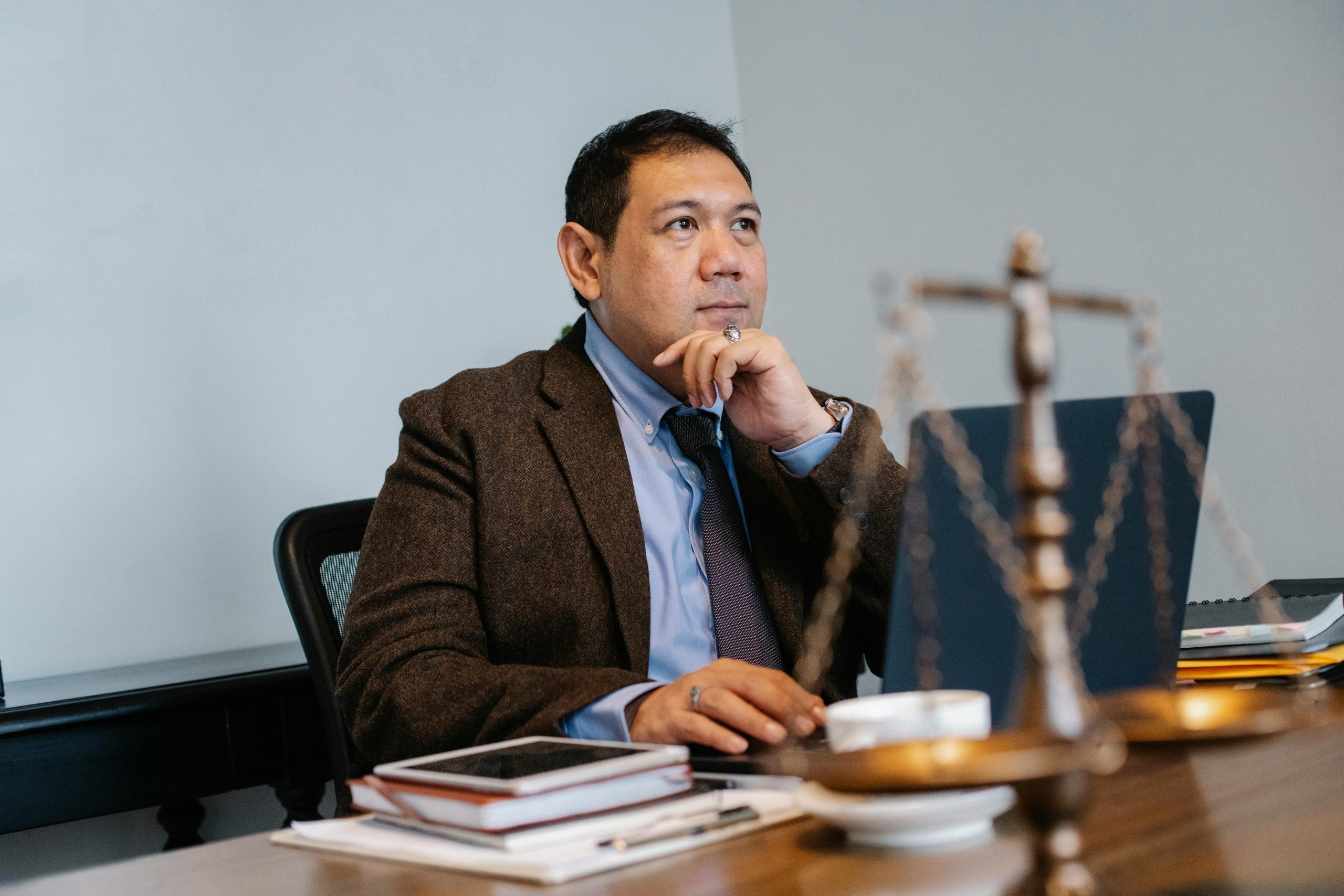
What Does It Mean to Develop an Eye for Justice?
Developing an eye for justice means actively seeking out fairness, equality, and morality in all aspects of our lives. It requires a shift in perspective – instead of simply acknowledging injustices and feeling powerless, we must strive to actively address and correct them. This skill involves both critical thinking and compassion – being able to analyze complex situations and understand the underlying factors that contribute to injustice, while also empathizing with those who have been wronged.
The Importance of Developing an Eye for Justice
It Empowers us to Create Change
In a world where systemic inequalities still exist, it’s easy to feel overwhelmed and helpless. However, with an eye for justice, we can become agents of change. By actively seeking out and addressing injustices, whether on a personal or societal level, we can contribute to creating a more fair and equitable world.
It Promotes Fairness and Equality
Developing an eye for justice means advocating for fairness and equality for all individuals, regardless of race, gender, religion, or any other factor. This not only benefits those who have been marginalized and oppressed, but also creates a level playing field for everyone. A just society is one where everyone has the opportunity to thrive and reach their full potential.
It Cultivates Empathy
Having an eye for justice also involves understanding the experiences of others, especially those who have been marginalized or oppressed. By putting ourselves in others’ shoes and empathizing with their struggles, we can develop a deeper understanding of justice and work towards creating a more compassionate and inclusive society.
Cultivating an Eye for Justice
Examine Your Own Biases
Before we can effectively address and correct injustices in society, we must first address and correct our own biases. Take a moment to reflect on your own beliefs and assumptions – are there any prejudices or biases that may be influencing your actions and perceptions? By identifying and acknowledging these biases, we can actively work towards overcoming them and promoting fairness and equality.
Stay Informed
Developing an eye for justice also involves staying informed and aware of current events and issues. This means seeking out diverse sources of information and being open to learning about different perspectives. By staying informed, we can better understand the complexities of social justice issues and take informed action.
Speak Up
Oftentimes, remaining silent in the face of injustice can be just as damaging as perpetuating it. Speak up when you witness or experience injustice. This can be in the form of taking part in peaceful protests, starting difficult conversations with friends and family, or simply calling out discriminatory behavior when you see it.
Take Action
An eye for justice is not just about raising awareness – it’s also about taking action. This can be on a small scale, such as supporting local businesses owned by marginalized communities, or on a larger scale by volunteering with organizations that support social justice causes. Every action, no matter how small, can make a difference.
Conclusion
Developing an eye for justice is more than just a skill – it’s a mindset. It requires us to constantly examine our beliefs and actions, to stay informed, and to take action when necessary. By cultivating this skill, we can become more empathetic, compassionate, and proactive in creating a more just and equitable world. Together, let’s strive towards developing an eye for justice and promoting positive change for all.