
The Ethics of Standardized Testing: Fairness and Bias
The debate over the use of standardized testing in education has been a hot topic for many years. While these tests are meant to measure student knowledge and provide valuable data for educators and policymakers, there is an ongoing discussion about the ethics of standardized testing and its potential for unfairness and bias. As society becomes increasingly aware of issues of social justice and equity, it is essential to examine these tests’ impact on students and their consequences on education as a whole. In this article, we will explore the ethics of standardized testing, delving into the fairness and bias concerns surrounding these assessments.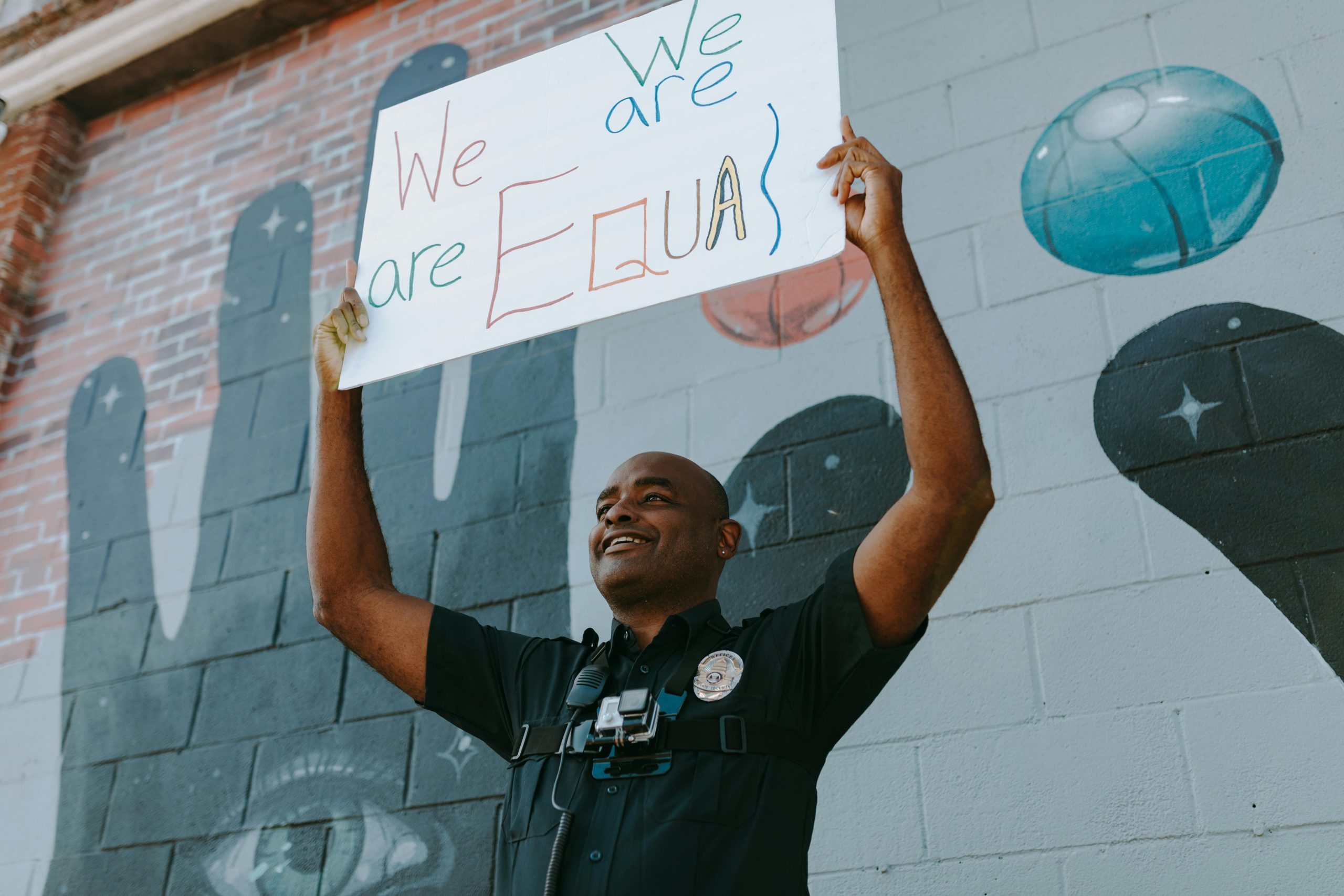
The Purpose of Standardized Testing
Before delving into the fairness and bias of standardized testing, it is essential to understand the purpose of these assessments. Standardized tests are designed to gauge students’ academic abilities, knowledge, and skills in various subjects. These assessments range from state-wide exams, such as the SAT and ACT, to classroom tests and quizzes that are created and scored by the teacher. The results from these tests are used to evaluate the effectiveness of educational programs, compare students’ performance, and inform decisions about school funding and resources.
Fairness in Standardized Testing
Equal Opportunity for All Students
One of the main arguments against the use of standardized testing is that it can be unfair to certain groups of students. Critics argue that these tests do not provide equal opportunities for all students, as some students may not have access to the same resources and preparation as others. This discrepancy can result in a disadvantage for some students, hindering their performance on the test. Socioeconomic status, race, and ethnicity are among the factors that can impact students’ test scores and create an unfair advantage for certain groups.
Test Content and Norms
Another issue with standardized testing is the test content and the norms that are used to score the exams. Critics argue that these tests are culturally biased and do not accurately reflect students’ knowledge and abilities. For example, an English exam may contain language and vocabulary that is unfamiliar to non-native English speakers, putting them at a disadvantage. Additionally, the norms used to score the tests may not accurately reflect the diverse population of students, resulting in incorrect or unfair results.
Bias in Standardized Testing
Race and Ethnicity-Based Bias
Research has shown that racial and ethnic biases can impact standardized test results. African American, Latinx, and Native American students, in particular, tend to have lower scores on these tests compared to their white and Asian counterparts. This difference can be attributed to cultural and societal factors that impact these groups’ educational opportunities and experiences. As a result, these tests can perpetuate and reinforce existing racial and ethnic disparities.
Economic Bias
Standardized testing can also be biased based on economic factors. Students from lower-income families may not have access to the same resources and opportunities as their wealthier peers, impacting their test preparation and performance. This disparity further perpetuates the achievement gap between students from different socioeconomic backgrounds.
The Imbalance of Emphasis on Results
One of the most significant issues with standardized testing is the overemphasis on test results. These tests are often used as the primary measure of student and school success, leading to a narrow focus on test preparation and scores. As a result, other critical aspects of education, such as critical thinking, creativity, problem-solving, and social-emotional learning, are often overlooked. This imbalance in emphasis can have negative consequences on students’ overall education and well-being.
The Call for Change
The fairness and bias concerns surrounding standardized testing have led to a call for change in the education system. Many education experts, policymakers, and organizations advocate for alternative assessments that take a more comprehensive approach to evaluating students’ knowledge and skills. These alternatives include performance-based assessments, portfolios, and project-based learning, which can provide a more accurate and holistic picture of students’ academic abilities.
In Conclusion
The ethics of standardized testing remain a contentious topic, with valid arguments on both sides. While these tests can provide valuable data and insights, the fairness and bias concerns surrounding them are valid and must be addressed. As society and education continue to evolve, it is crucial to consider alternative ways of assessing students’ academic abilities fairly and equitably to provide a more comprehensive and accurate representation of their knowledge and skills.