
Exploring the World of Global Law
Welcome to the dynamic and ever-evolving world of global law. With the advent of globalization and the rapid development of international trade, the need for a comprehensive and universally accepted legal framework has become more pressing than ever before. As businesses expand their reach beyond national borders and individuals travel to different parts of the world, there arises a need for laws that can effectively govern and protect their interests. This article will delve into the world of global law, exploring its origins, current state, and future prospects.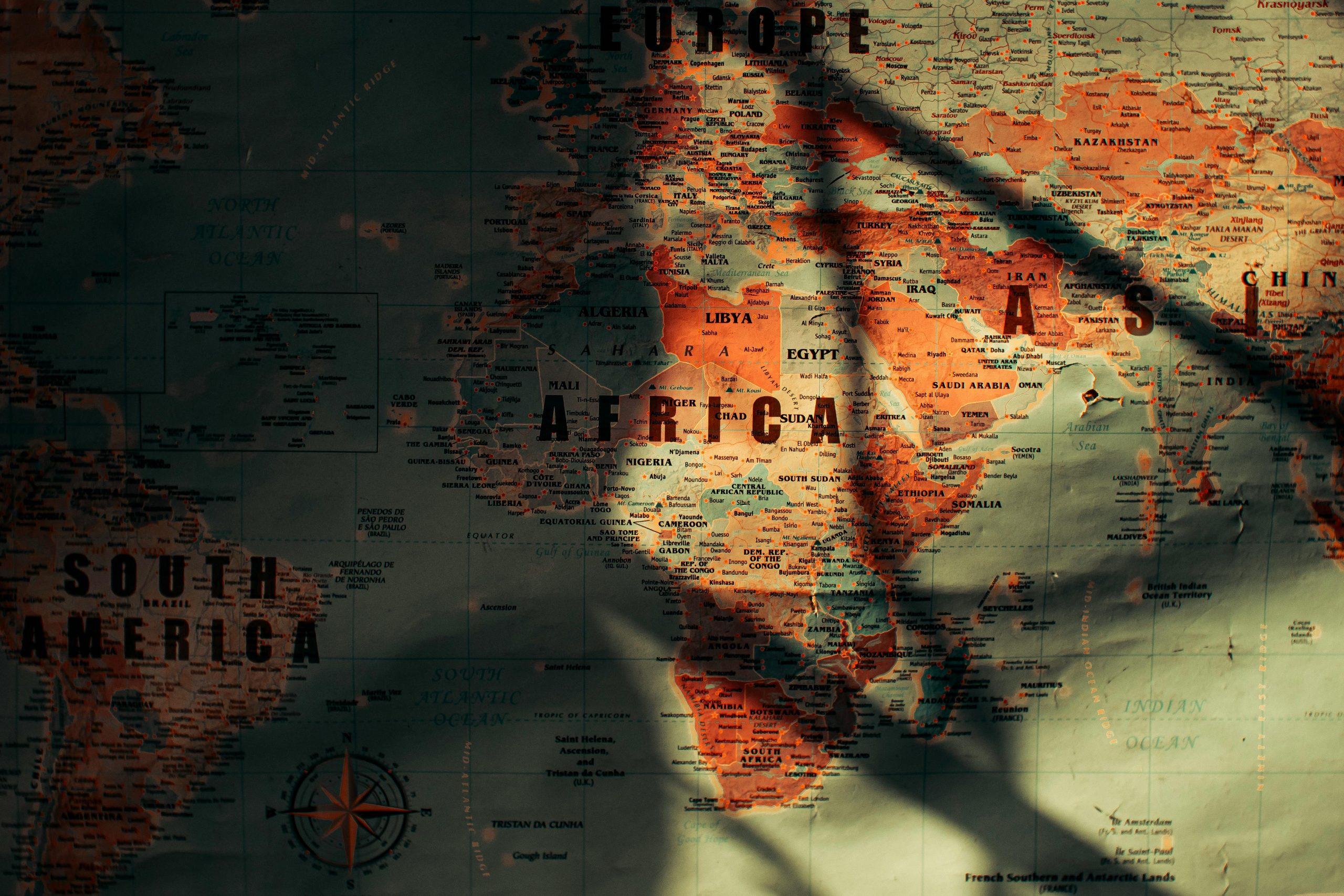
The Origins of Global Law
The history of global law dates back to centuries ago, with ancient civilizations having their own legal systems to govern their societies. However, it was not until the aftermath of World War II that the concept of a global legal system gained significant importance. The devastation caused by the war highlighted the need for a system that could prevent such heinous acts from occurring in the future, and thus, the United Nations was formed with the primary objective of promoting international cooperation and maintaining world peace.
As the world became increasingly interconnected with technological advancements and the rise of multinational corporations, the need for a unified legal framework became even more apparent. Today, international law governs a wide range of areas, from human rights to environmental protection to trade and commerce.
The Current State of Global Law
The current state of global law is a result of various factors, such as historical events, cultural differences, and political influences. The main sources of global law include treaties, customary international law, and general principles of law recognized by nations. These sources provide the foundation for the functioning of international organizations and tribunals, such as the International Court of Justice and the International Criminal Court.
One of the challenges facing global law today is the enforcement of international agreements and laws. Unlike national laws, international laws do not have the power to enforce compliance. Thus, it relies on the cooperation of member states and the willingness of individuals and corporations to abide by them voluntarily.
The Role of International Organizations
International organizations play a crucial role in the implementation and development of global law. These organizations, such as the United Nations and the World Trade Organization, bring together nations and provide a platform for dialogue and decision-making on global issues. They also serve as a forum for the development of international policies and regulations.
Moreover, international organizations also act as mediators in resolving disputes between nations and provide assistance in promoting the rule of law in developing countries. Through their efforts, they strive to create a more equitable and just world, where the rule of law is the basis for all interactions and transactions between nations.
The Future Prospects of Global Law
As the world continues to evolve, so will the need for global law. With the increasing complexities of global issues, there is a growing demand for a more robust and comprehensive legal framework. The future of global law will see a greater focus on issues such as cybersecurity, intellectual property rights, and the protection of vulnerable groups.
Furthermore, advancements in technology, such as artificial intelligence and the internet of things, will also bring about new challenges that will require innovative legal solutions. It is essential for the global legal community to adapt and evolve to meet these challenges and ensure that the rule of law remains relevant and effective in the modern world.
Conclusion
In conclusion, the world of global law is vast and ever-evolving, with its foundations firmly rooted in historical events and cultural differences. The current state of global law is a result of the cooperative efforts of nations and international organizations to create a more peaceful and just world. While there are challenges and limitations, the future of global law looks promising, with the potential for further development and integration to effectively address the complexities of a globalized world.